Zena, Zenago: Listening for a Language the Sea Built
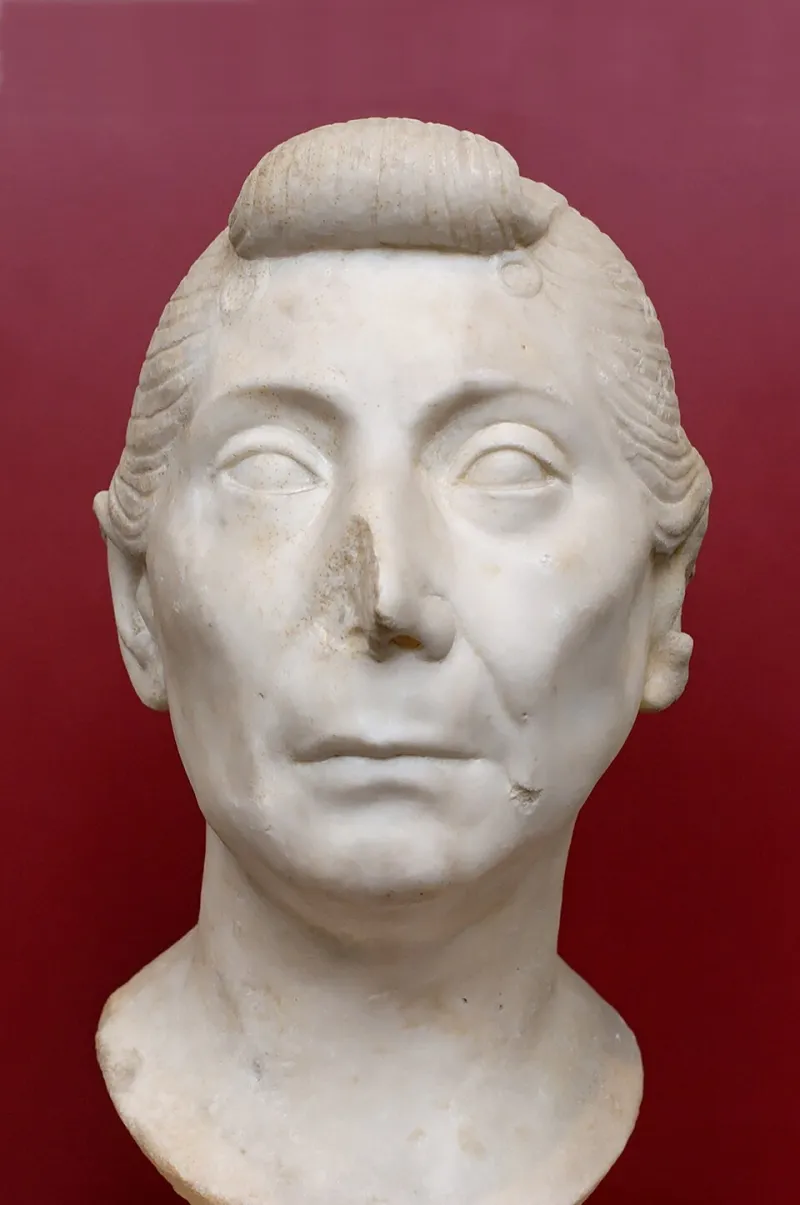
Photo: Unknown, Public domain, via Wikimedia Commons
There's a moment that happens at the bar below our bay around eight in the morning. An American couple orders cappuccinos, feeling pretty good about their Italian. Then the woman behind the counter turns to the fisherman waiting for his espresso and says something that sounds like Italian run through a blender — vowels stretched, consonants softened, words that end in vowels Italian never heard of. The couple looks at each other. Was that Italian?
It wasn't. It was Ligurian — or zeneise, if you're speaking it properly — and if you linger in any harbor town from Ventimiglia to La Spezia, you'll hear it. For now.
A Language, Not an Accent
The first thing to understand is that Ligurian isn't a dialect of Italian in any meaningful sense. Linguists classify it as its own Gallo-Italic Romance language, closer kin to French and Piedmontese than to the Tuscan that became standard Italian. It evolved before Italy existed, back when Genoa — Zena in Ligurian — was a maritime republic with its own empire, its own coinage, and its own way of talking about the sea.
That maritime DNA is everywhere in the vocabulary. There's no real word for "farmer" in the old seafaring lexicon, but the language is dense with terms for wind, swell, net, and hull. The word for the shivering reflection of light on water — brilliamento, roughly — has no clean English translation. Neither does the particular word for the smell of tar and salt on a beached rowboat. These are words that exist because a community needed them daily for centuries.
What the Grandmothers Know
I've been eavesdropping, politely, for a while now. The pattern is consistent enough to break your heart a little.
Signora Elda, who sells anchovies at the market two stalls down from the fish guy, switches into Ligurian the moment she's chatting with her sister. Ask her a question in Italian and she'll answer in Italian; the Ligurian comes out only when she stops thinking about who's listening. "It's the language of the house," she told me. "Italian is the language of the street."
Her grandson, Matteo, is twenty-six and works in a hotel in Santa Margherita. He understands maybe eighty percent of what Elda says in Ligurian. He speaks perhaps ten words of it himself, all of them jokes. "My friends and I, we use it like slang," he said, shrugging. "It's cool for two sentences. Then we go back to Italian. Or English, honestly, if there are tourists."
Multiply that conversation by every family on this coast and you have the whole story: a language that survived the fall of a republic, two world wars, and mass emigration, now losing to the school system, television, and the simple economics of what gets passed down at dinner.
Words Worth Keeping
A few survivals, in case you want to listen for them:
- Sciû scî — the hush-hush sound of shushing, used here the way Americans say "there, there." You'll hear it from grandmothers to babies and, occasionally, to grown men crying at funerals.
- A-u güsto? — "Is it right? Is it fair?" A whole philosophy of grievance in three syllables, usually deployed about prices, weather, or football.
- Me piasceiva — "I would like it," but with a wistfulness Italian doesn't carry. The word you use for wanting something you suspect you won't get.
- Bargiöggi — the last fishing of the season, when the boats come in and the town turns out. A word for an event, a rhythm, an ending.
That last one might already be archaic in daily use. Languages don't die in one loud moment; they die word by word, when the last person who needs a term stops needing it.
The Sound of Something Ending
What does it feel like to hear a language fade? I asked Elda's sister, Graziella, who is eighty-one and has never lived more than four hundred meters from the water.
She thought about it longer than I expected. "You know when you go back to your childhood beach and the rocks have moved?" she said. "It's like that. Everything is still here. The words are still here. But the people who need them are fewer every year."
There are revival efforts — a theater group in Genoa performs in Ligurian, there are dictionaries and YouTube channels and a proud handful of young poets. But revivals work from the top down, and languages live from the bottom up, in kitchens and markets and boats.
Listen Closer
Here's what I'd suggest, as a visitor. Next time you're at the bar, the market, the ferry dock, and you hear that blended, rolling tongue that isn't quite Italian — don't tune it out as background noise. You're hearing one of the oldest commercial languages of the Mediterranean, the voice of a republic that once rivaled Venice, spoken now mostly by people over seventy, in the spaces between official sentences.
It's the soundtrack of the bay, the one most travelers never realize they're hearing. Sit with your espresso a little longer. Some mornings, if you're lucky, you'll catch a phrase you'll never hear again — and you won't even know which one it was.
That's not a reason for sadness, exactly. It's a reason for attention. And attention, here at the bay, is the whole point.