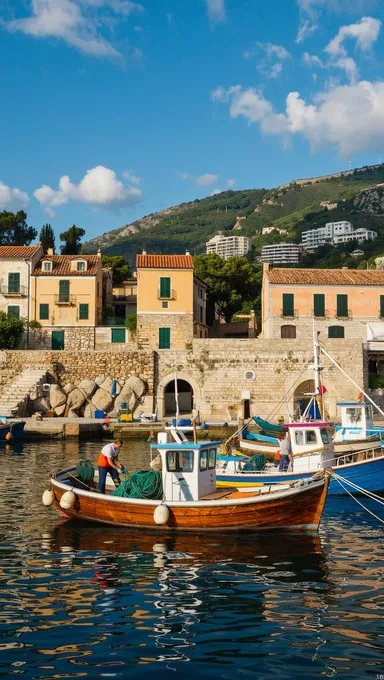
How to Spot a Real Ligurian Trattoria Before You Order a Thing
Photo: Marcantonio Raimondi, Public domain, via Wikimedia Commons
You Can Tell From the Doorway
There's a moment every American traveler knows. You're hungry, it's 1:15 p.m., the pretty street has six restaurants, and you pick the one with the photo menu and a host who greets you in English. Two hours and one forgettable plate of frozen trofie later, you watch a family of four disappear into the place next door—and come out looking like they've been to church.
After enough summers in the bay, I've stopped calling that luck. The truth is that a good trattoria announces itself about ninety seconds before you sit down. You just have to learn the language. And unlike Italian, this one you can be fluent in by dinner.
The Menu Should Look Like Homework
The first thing I check is the menu itself. If it's laminated, trilingual, and features a stock photo of lasagna, keep walking. The places locals eat at usually have a paper menu—often handwritten, occasionally misspelled, sometimes just a chalkboard with seven items on it.
That brevity is the point. A kitchen cooking what came off the morning boat and out of the garden doesn't need forty dishes. It needs trofie al pesto, maybe acciughe, whatever fish the fish guy had extra of. When the menu changes with the weather and the catch, you're in the right room.
Bonus signal: if the translations are charmingly wrong—"anchovies of the house," "pasta with the ragù of the grandmother"—that's not a red flag. That's a guarantee.
Count the Tables, Then Count the Locals
American restaurants are designed around turnover. Ligurian trattorias are designed around Tuesday. Look for a small number of tables, often one long shared one, mismatched chairs, and tablecloths that have been washed a few hundred times.
Then do a quick scan of the clientele. Construction boots? Uniforms from the pharmacy down the street? Two old men arguing about something at the corner table like they've held that reservation since 1987? You've found it. A dining room full of tourists is a warning sign the way an empty dining room is—locals are the only review that can't be bought.
The Grandmother Is Not Decor
Somewhere in the best trattorias on this coast, there is a woman in her seventies standing in the doorway or at the register, watching the room like a lighthouse keeper. She is not there for atmosphere. She is there because the kitchen is answering to her.
If you catch a glimpse of a kitchen that's clearly a family kitchen—pots that have outlived several governments, a hand pulling pasta in the back—consider your decision made. Chain logic doesn't survive the doorway of a place like this.
What the Waiter Doesn't Say
Here's the counterintuitive part: mediocre service is often a good sign. Not rude—Ligurians aren't rude—but brisk. No one recites the specials with a memorized monologue. No one asks if you're "still working on that." The waiter has tables to run and a life to get to, and the message is: eat slowly, but don't expect a performance.
Order what they push. If they tell you the orata just came in and the pesto is finished for the day, believe them and act accordingly. The pushback isn't upselling; it's the truth arriving on time.
A Quick Field Checklist
Before you sit, run this list:
- Handwritten or chalkboard menu, short and seasonal
- Locals outnumbering tourists, ideally at lunch on a weekday
- One or two people visibly running the whole operation
- Bread, wine, and water that arrive without a beverage menu
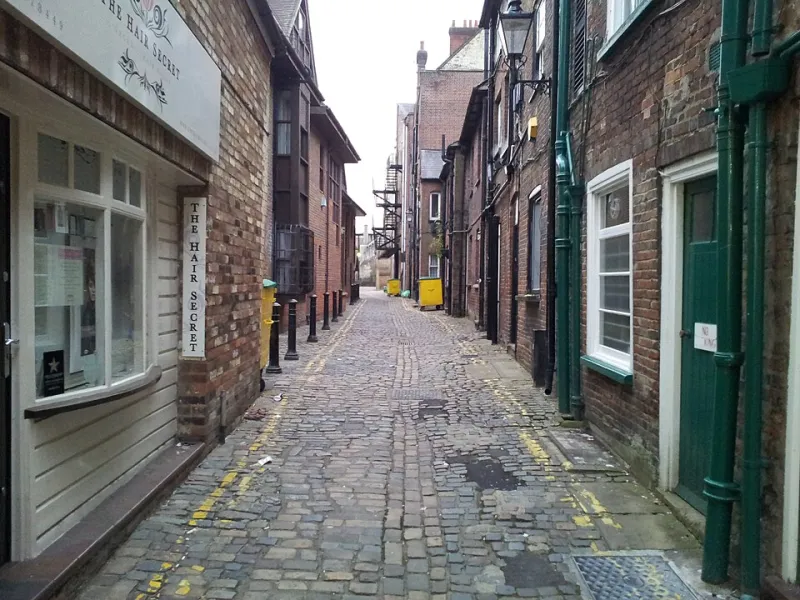
- A location one street back from the harbor, not on it
That last one matters more than it should. The best view on the coast is often a wall with a cat on it, and the rent saved by that view gets spent on the anchovies.
Then Do the One Thing Left
Once you're seated, stop optimizing. Order the house wine, the pasta someone's aunt actually makes, and dessert only if the grandmother insists—and she will. The whole skill of reading a trattoria is really just learning to trust the evidence in front of you instead of the one on TripAdvisor.
The table by the window was never luck. It was a menu you couldn't fully read, a waiter who ignored you perfectly, and a room full of people who eat there every week. Get that right once, and you'll never eat by accident again.