Hull Scrapes and Auction Bells: What the Bay Actually Sounds Like at 6 A.M.
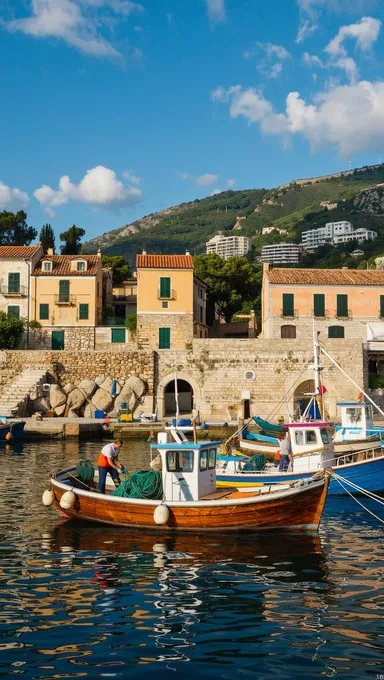
Photo: Italian fisherman wooden boat repair harbor morning Mediterranean, via images.stockcake.com
There's a moment most visitors never hear. It happens somewhere between 5:30 and 6:30 in the morning, depending on the season and how hard the boats worked the night before. The blue fishing lights at the harbor mouth blink off. Engines idle low. And then, drifting up through the shutter slats of every guesthouse in the bay, comes the sound of work: halyards dropping, crates knocking against stone, a voice calling prices across wet pavement.
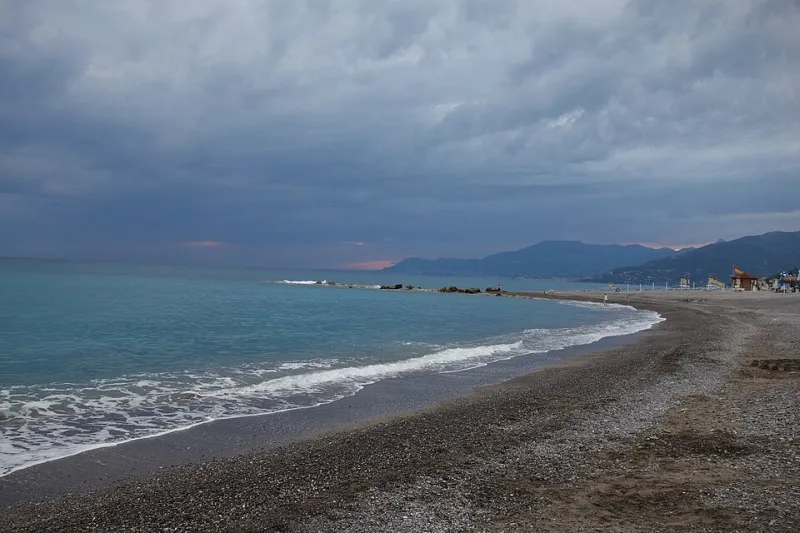
We talk a lot on this site about the view of the bay—the pastel stack of houses, the water doing its turquoise thing. But the sound is the part that stays with you. And the sound of a Ligurian harbor, if you're honest about it, isn't lapping waves and wind chimes. It's hammers.
The Boatyard Is the Oldest Business in Town
Walk to the far end of any working harbor on this coast—the end past the restaurants, where the pavement gets stained with rust and paint flakes—and you'll usually find a boatyard that predates everything around it. On the Ligurian coast, these yards have been patching wooden hulls for centuries, long before the first pensione hung a sign.
The shipwrights here work with a rhythm you can set a watch to. Scrapers hiss along planks. A mallet taps caulk into a seam, tap-tap-tap, unhurried, like a metronome someone forgot to turn off. On a still morning the sound carries across the whole bay. Locals don't register it as noise. It's closer to a heartbeat—proof the town still earns its living from the water rather than just selling postcards of it.
If you grew up around marinas in the States, this will feel familiar and foreign at once. The materials and the gestures are the same as any yard on the Chesapeake. But nobody's rushing. The boat will be finished when it's finished, and the season will start when the boat is ready.
The Fish Market: Theater, But the Fish Is Real
Around the same time the yard wakes up, the morning auction gets going. In the smaller towns this isn't a tourist attraction with a velvet rope—it's a concrete room or a covered stretch of quay where the night's catch gets sorted into shallow crates: anchovies like silver ribbon, octopus coiled in buckets, the occasional monkfish that looks like it lost an argument.
The auction itself is fast and half-incomprehensible even if your Italian is decent. Prices are called in a patter that blends numbers, nicknames, and dialect. Restaurant buyers jab fingers. The fish guy from the market you've started to recognize (see: our editor's ongoing humiliation in the basil aisle) hauls his crates off on a hand cart with one squeaky wheel.
Here's the thing nobody tells you: standing at the edge of that room for fifteen minutes teaches you more about the coast than any boat tour. The postcard version of Liguria is real, but it's the second economy. The first one is this—fish, weather, and a boat that needs its seams checked before Friday.
How to Listen Instead of Tuning It Out
American travelers are trained by a decade of noise-canceling everything to treat morning sounds as a problem to solve. Resist that instinct, at least for one morning of your trip. A few ways to do it right:
- Book the room over the harbor, not the one with the garden. Yes, you'll hear the crane at 6 a.m. That's the point. Bring earplugs for the rest of the week.
- Get your coffee to go from the bar and stand near the water, not on a café terrace facing the shops. Face the boats. The soundtrack sorts itself out.
- Ask the yard if you can watch. Many shipwrights are quietly proud of their work and happy to explain a steam-bent frame or a fresh scarf joint, as long as you don't touch anything and don't arrive at lunch.
- Time your visit to the auction's tail end, when prices drop and the mood loosens. Some markets will sell you a kilo of anchovies for a couple of euros that would run you $30 at a US fish counter.
Why This Is the Romance People Come Looking For
There's a certain kind of American traveler—we count ourselves among them—who books a Ligurian coast trip chasing something they can't quite name. It isn't luxury. It's the feeling that a place is busy being itself rather than busy hosting you.
That feeling lives in the working harbor. The hammer on the hull says the same thing it has said for four hundred years: the sea pays the bills here, and the sea doesn't take days off. When you tune your ear to that, the bay stops being a backdrop and starts being a town.
So on your next morning here, before the paddleboards launch and the first spritz is poured, walk to the far end of the quay. Stand there with your coffee. Listen to the mallet, the bell, the argument about the price of cuttlefish.
That's the sound of the bay telling you the truth. Everything else—the pastel houses, the lemon trees, the water the color of a swimming pool—is just the decoration around it.