The Alleys So Narrow Your Shadow Can't Fit: Inside Liguria's 'Crêuze'
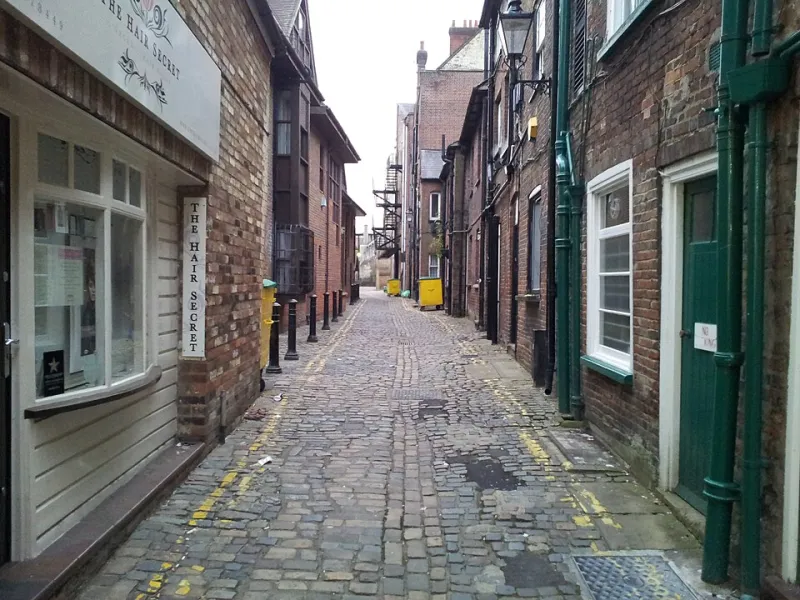
Photo: oatsy40, CC BY 2.0, via Wikimedia Commons
There's a moment, about ten minutes into your first wander through a Ligurian hill village, when you turn a corner and the walls simply close in. Your shoulders brush both sides. The sky becomes a ribbon. Somewhere above you, two windows face each other across a gap of maybe three feet, close enough that — as the local saying goes — a neighbor could pass the bread without leaving the kitchen.
Welcome to the crêuza (plural: crêuze), the narrow mule path that every Ligurian town is stitched together with. If you've been following America's current obsession with hidden Italian villages — the ones flooding your Instagram feed with vertical streets and laundry strung like bunting — this is the infrastructure behind the magic. And it's older, stranger, and more practical than you'd guess.
Built Before the Wheel Mattered
The word crêuza comes from the Ligurian dialect, and it means exactly what it looks like: a narrow lane, usually stepped, usually cobbled, built for feet and hooves rather than axles. These paths predate the automobile by centuries and, in many cases, predate the towns themselves. When your village is stacked up a hillside above a harbor or a terraced olive grove, you don't design for carts. You design for people carrying things — firewood, water, baskets of anchovies — and you make the distances between them as short as possible.
That's why the alleys pinch. Every square meter of flat land on the coast was precious, needed for terraces, orchards, or a church courtyard. The genius move was to build up, not out, and to let the connecting paths go as skinny as a human body required. Nothing more. The result is architecture that reads like folklore but functions like engineering.
The Widow's Windows
Now, about those facing windows. In villages along the coast, you'll notice pairs of shuttered windows directly opposite each other across the tightest lanes. Local legend has a name for them: the finestre della vedova — the widow's windows.
The story goes that in the old days, these gaps were the village's social network. Women — often widows, hence the name, though versions of the tale vary from town to town — would lean out during the day to exchange news, hand over dishes of pesto, and keep an eye on the alley below. On hot nights, the narrow canyon between the houses worked like a chimney, pulling a cool sea breeze through, and neighbors would talk across the gap until late.
Skeptics will tell you the name is invented for the tourists. Maybe. But stand in one of those lanes at dusk, when the shutters start to open and someone's dinner conversation drifts down from the third floor, and you'll understand the legend didn't need to be true to become so.
One House the Sun Never Touches
Here's a detail guidebooks skip: in almost every village, there's one alley — sometimes just one — where direct sunlight never reaches the ground. The walls are too high, the lane too tight, the orientation wrong. Moss keeps the cobbles green. In August, it's the coolest spot in town; in January, it's the dampest.
Locals know these lanes by name. Kids are told to grab a jacket before playing there. And real estate agents, when they're being honest, will tell you the apartments on those lanes rent cheaper — darker, cooler, and a pain to dry laundry in. Folklore and the housing market, side by side.
What the Crêuze Reveal
Walk enough of these lanes and you start to understand something about the culture that built them. A town designed for walking forces a certain intimacy. You can't drive past a neighbor you'd rather avoid. You can't carry your groceries in silence — the lane is too narrow for anonymity. Every crêuza is a conversation corridor, and the villages that grew along them developed the tight, opinionated, fiercely local character that Americans now travel thousands of miles to experience.
There's a practical takeaway, too, for anyone plotting a trip: the crêuze are the real map. Google will send you around the road; the locals go straight up the steps. If a lane looks like it dead-ends at someone's door, it probably doesn't — it connects to the next one, which connects to the trailhead, which connects to the next village over. The whole coast is walkable if you commit to it.
Go Slow, Go Up
My advice after several happy weeks of getting lost: pick a village, find its church (they're always at the top or the bottom — no in-between), and work your way there via the narrowest lane you can find. Wear shoes with grip; the cobbles get slick. Bring nothing you can't carry against both walls. And when you pass a window open at eye level, give a nod. Chances are someone's leaning there, keeping an eye on the alley — the way someone has, more or less, for the last five hundred years.
The sun never touches some of those lanes. The neighbors never stopped touching each other's lives. That's the deal the crêuze made, and it's still holding.