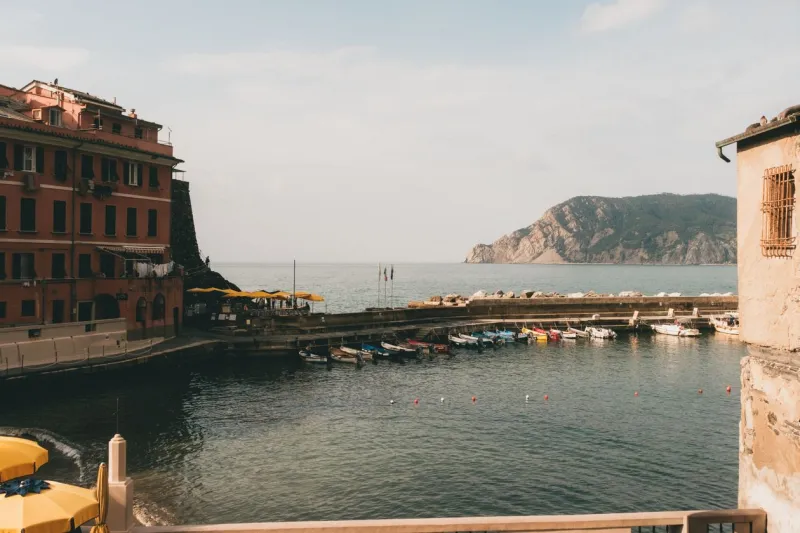
Room 4, Above the Kitchen: My Unlikely Love Letter to the Trattoria Guesthouse
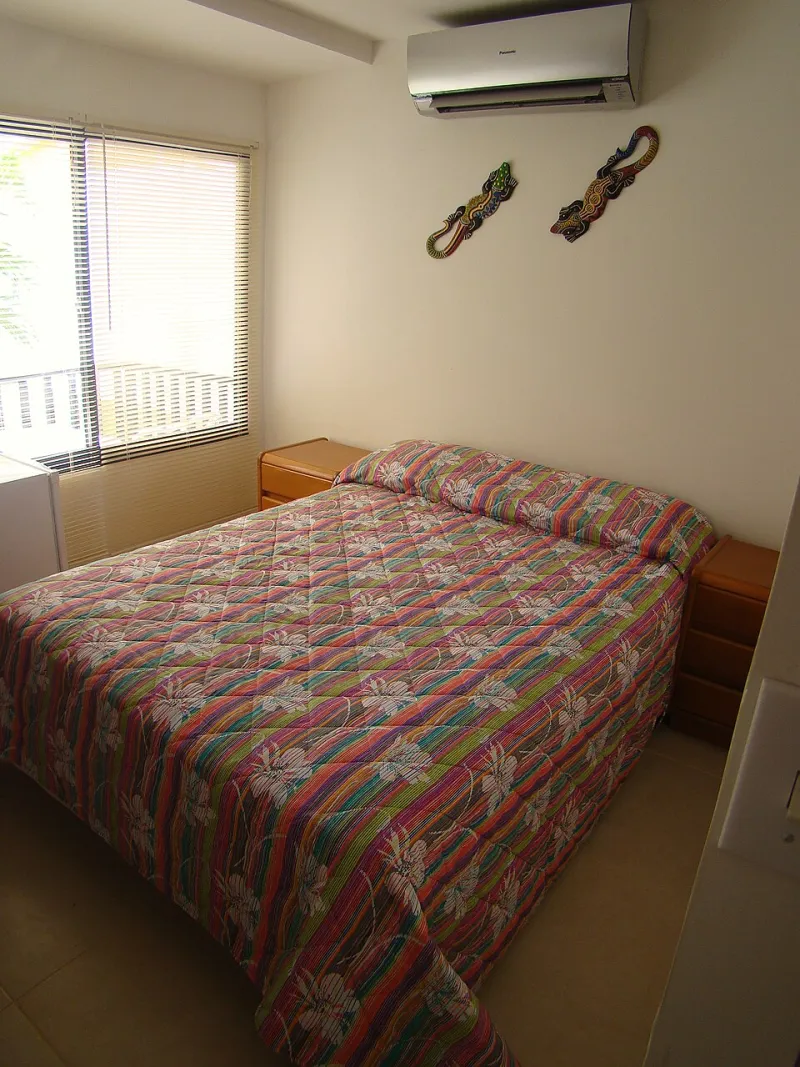
Photo: jabello1964, CC BY 3.0, via Wikimedia Commons
Let me tell you about the worst night of sleep I've had in Italy. The church bells rang at 7:00, 7:15, and 7:30—because apparently once isn't enough for God. Before that, at 6:40, the kitchen downstairs fired up and I listened to a man I'd never met vigorously debate an octopus. The walls were roughly the thickness of a paperback. I would go back tomorrow. I have, in fact, already booked it again for September.
If you're the kind of American traveler who needs a blackout curtain, a silent HVAC, and a lobby with a robot vacuum, stop reading now. But if you want to actually live in the bay for a week—smell the focaccia before you see it, know the cook's name, feel personally invested in the octopus—renting a room above a trattoria is the move. Here's how to do it without losing your mind.
What You're Actually Booking
The classic setup: a family runs a restaurant on the ground floor and lets out three or four rooms above it. These aren't hotels and they're not quite B&Bs. On booking sites they hide under labels like "affittacamere" or "locanda," often with fewer than ten reviews in English. The photos will be honest but unglamorous—a bed, a shutter, maybe a view of the harbor if you're lucky, a view of the kitchen vent if you're not.
What the listing won't tell you is the real amenity: proximity. You are now forty feet from the best food in town, and the people making it know your name. My first morning, the matriarch—I'll call her Rosa—found me on the stairs, looked me up and down, and declared I looked like someone who needed more breakfast. She was right. She usually was.
The Booking Checklist
A few things to verify before you commit:
- Ask about dinner service hours. Kitchens here run late, and the good ones are loud. If you're a 9pm-to-sleep person, request a room at the back, away from the dining room.
- Confirm breakfast is included—and what it means. Sometimes it's a full spread; sometimes it's "coffee downstairs whenever you wake up," which is actually better.
- Check for air conditioning, but don't demand it. Many older buildings can't have it. A fan plus open shutters plus sea breeze is the traditional system, and it works—mostly.
- Read the reviews for the word "stairs." These buildings are centuries old. If the room is on the third floor, your quads should know in advance.
- Book direct if you can. A short email, even in rough Italian, often gets you a better room and definitely gets you remembered.
How to Be a Guest They Remember Fondly
The family-run room runs on reciprocity, not tipping culture. Eat at the restaurant at least twice—once on night one, so they can feed you properly and take your measure. Learn five words of Italian. Greet whoever you pass in the stairwell, every time. If Rosa insists you try the anchovies even though you said you don't like anchovies, eat the anchovies. You like anchovies now. That's how it works here.
And keep the noise down after 10pm. Not because anyone will complain—they won't, which is exactly why you should. The courtesy is the currency.
The Rituals That Make It Home
By day three, you'll have a rhythm. Espresso downstairs while the lunch prep hums around you. The same bakery guy nods at you. You know which shutter sticks. You start saying "I'm going back to the room" instead of "back to the hotel," and you'll notice you said it—a small linguistic shift that means something.
The church bells? By day four, you don't hear them. By day five, you'd miss them.
Why It Beats the Hotel, Every Time
A hotel gives you a room. A room above a trattoria gives you a cast of characters, a front-row seat to a working kitchen, and the quiet, enormous luxury of being expected somewhere. When I checked out, Rosa pressed a wrapped slice of torta into my hands for the train and told me, in no uncertain terms, that next time I was staying in Room 4—the one with the harbor view. I hadn't asked. I didn't need to.
That's the thing no hotel loyalty program can replicate: you're not a guest number. You're the American in Room 2 who eats the anchovies now. Trust me—it's worth every bell.