Espresso at the Bar, Bread in the Bag: Rebuilding Your Morning the Ligurian Way
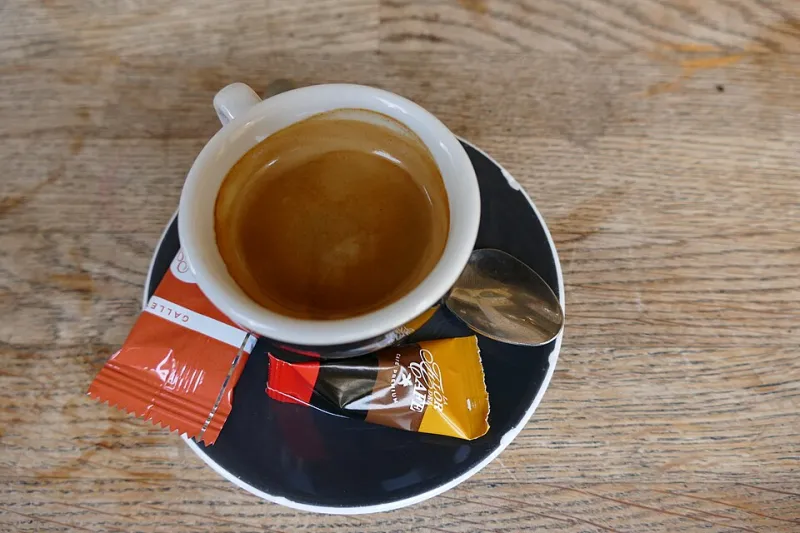
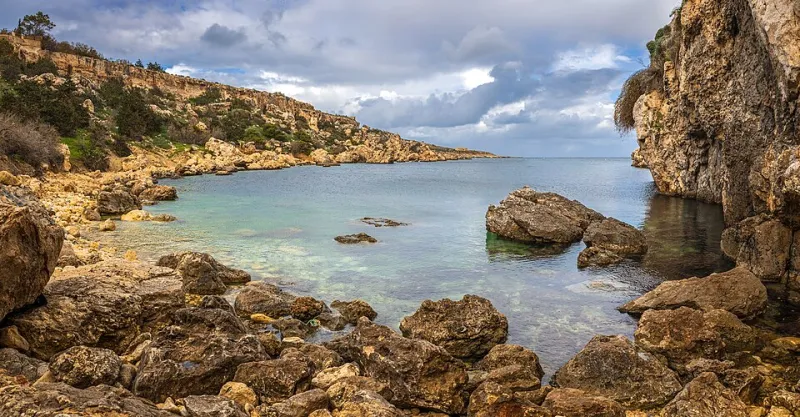
Photo: Kritzolina, CC BY-SA 4.0, via Wikimedia Commons
There's a particular hour in a Ligurian bay town — call it 7:30, call it 8 — when nothing is happening, and that's the entire point.
The shutters on the pastel houses above the harbor are still half-closed. The water in the bay is doing that glassy thing it does before the first boats go out. And at the bar on the piazza, a retired fisherman named Bruno is standing at the counter with an espresso he will finish in exactly three sips, reading the sports pages he has no intention of rushing through.
I spent a season living above a bakery in one of these towns, and I want to be honest with you: I did not arrive knowing how to slow down. I arrived with a West Coast brain — podcasts at 1.5x speed, breakfast eaten standing over the sink, the vague sense that if I wasn't doing something productive, I was falling behind. The first week, I'd finish my cappuccino in ten minutes and feel this itch to go somewhere. There was nowhere to go. The town is fifteen minutes end to end. That itch, it turns out, is the whole disease.
The Bar Is Not a Coffee Shop
The first thing to understand is that the Italian bar — the caffè — is not a coffee shop in any American sense. Nobody has a laptop. Nobody camps out for three hours. You stand, you drink, you exchange a few words with the person behind the counter, and you leave. The whole transaction might take six minutes.
And yet it's not transactional at all. It's a small daily anchor. The barista knows Bruno takes his espresso short. She knows I was the American who butchered the word for almond croissant before finally getting it right. This tiny, repeated human contact — the kind we've engineered out of our mornings with drive-thru and mobile ordering — does something to your nervous system that I can't fully explain but can absolutely feel.
Back home, I've started recreating it in miniature. I walk to the same coffee place instead of ordering ahead. I don't bring my phone. I say good morning to the same people. It's not Genoa. But it's closer than my kitchen counter was.
The Walk Before Anything Else
In my bay town, the morning had a shape, and the shape was: espresso, then a walk along the breakwater before the sun got serious about it. The locals called it nothing at all — it was just what you did. Old couples arm in arm. Kids on bikes. A guy doing lunges who was clearly new to the concept of a passeggiata and hadn't learned it's supposed to be pleasant.
The walk wasn't exercise. It wasn't a workout logged in an app. It was a way of letting the day introduce itself to you before you started making demands of it.
I've kept this one, and honestly, it might be the most transferable. You don't need a Mediterranean harbor. You need ten or fifteen minutes outside before you touch a screen. In my neighborhood in Oregon, that's a loop past the coffee roaster and the wetlands trail. It's not the Ligurian coast, but the morning light does this thing through the fog that — look, I'm not going to claim it's the same. I'm just saying it does something.
Bread, and the People Who Make It
The bakery below my apartment started its ovens at 4 a.m. By 7, the smell came up through the floorboards like an alarm clock you couldn't be mad at. I'd come down and get focaccia — this being Liguria, focaccia is not a side dish, it's a religion — still warm, cut from the tray with a practiced whack of the blade.
Here's what struck me: the baker knew my order by day three. Not because she was trained in customer service excellence. Because buying bread from the person who baked it, every day, in person, builds a relationship whether you're trying to or not.
The American version of this is harder but not impossible. There's a farmers market two Saturdays a month near me. The bread guy there now knows I like the seeded loaf. It took one season. Small stakes, real payoff.
What We're Actually Hungry For
I've thought a lot about why this stuff hit me so hard. I don't think it's about Italy, exactly. I think it's that a Ligurian morning is built out of repeated, low-stakes, in-person rituals — and most American mornings are built out of logistics and screens and a background hum of urgency.
Nobody in that bay town was optimized. Bruno was not maximizing his morning. The baker was not batch-and-freezing her productivity. And they were — I mean this plainly — happier in their first hour than I had been in years of mine.
So here's the practical version, for those of us who can't relocate to a harbor town:
- Pick one anchor. Same coffee, same order, same place, most days. Repetition is the feature, not the bug.
- Take the walk before the phone. Ten minutes. No headphones if you can stand it.
- Buy something from a human. Bread, flowers, a paper — anything that involves a brief, real exchange.
- Do nothing for five minutes. Seriously. Stand somewhere. Look at something that isn't a screen. Let it be boring.
The bay taught me that a morning isn't a launch sequence. It's a season — a slow one, the kind you'd want to linger in. I'm still not great at it. But my coffee tastes different now, drunk slowly, watching the fog lift over a street that is decidedly not the Riviera. Close enough to remember. Good enough to keep.