The Seat Built Into the Wall: Liguria's Doorway Benches and the Art of Designing for Lingering
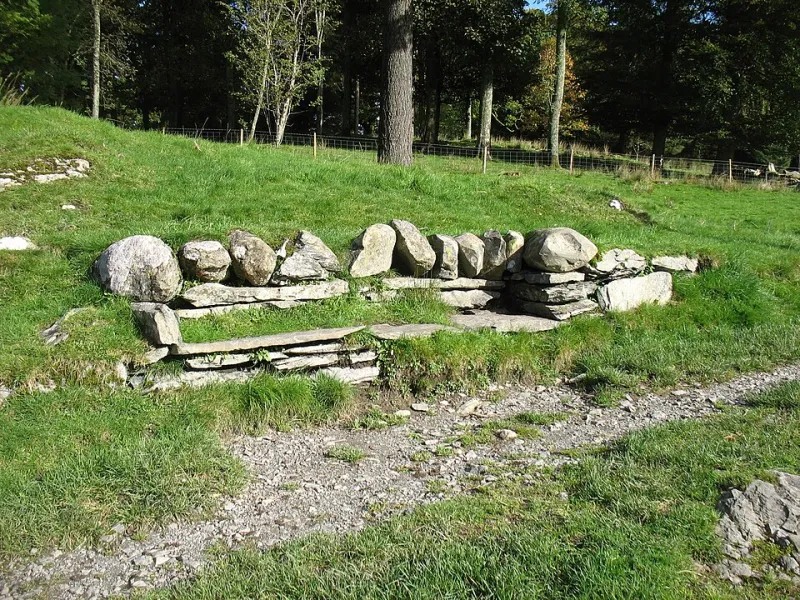
Photo: David Purchase , CC BY-SA 2.0, via Wikimedia Commons
The first time I noticed one, I thought it was an accident of construction. A low stone ledge, maybe eighteen inches deep, running along the wall beside a weathered blue door in Camogli. Someone's grandmother sat on it, shelling fava beans, and didn't look up when I passed. Ten doors down, another ledge. Then another. Once you see them, you can't stop seeing them — these built-in benches are stitched into the architecture of every village in the bay like a seam.
The locals have a name for them that varies depending on who you ask. Some call them panche di porta — door benches. In certain villages, the older generation still uses a more melancholy phrase: la panchina della vedova, the widow's bench. The story goes that these seats faced the sea so that women whose husbands were weeks overdue on fishing boats could sit within sight of the water, watching for sails on the horizon. Whether that's documented history or accumulated folklore is honestly beside the point. The bench exists. The watching was real. The architecture remembers what the archives don't.
A Bench That Earned Its Keep
Strip away the poetry and the practical origins are just as interesting. These were working villages, and space on the rocky coast was currency. A house that opened directly onto a carrugio — one of those alleys so narrow you can shake hands across it — couldn't spare a foot of ground for furniture. So the builders did something clever: they made the wall itself into the chair. A stone slab set into the facade at sitting height costs nothing extra. It doesn't block the alley. It doesn't need painting or replacing. It will outlast everyone who ever sits on it, and it has.
The wear patterns tell you everything. The centers of these benches are polished to a soft sheen from centuries of trousers and aprons, while the edges stay rough. Nobody designed that patina. It's the physical record of a thousand small decisions to stop and sit down.
What the Bench Was Actually For
Here's where American readers might feel an unexpected flicker of recognition. We had this too. The front porch was our version — a room without walls, facing the street, built for the specific purpose of being seen and seeing. Rocking chairs, a pitcher of iced tea, neighbors calling hello from the sidewalk. Kevin from The Wonder Years narrating his whole childhood from those porch steps wasn't a coincidence; that's where life's threshold conversations happened.
The Ligurian bench is the porch compressed to its essence. No railing, no steps, no swing — just a seat and the street. But the function is identical: it's a machine for casual contact. You sit on it to rest, to wait, to shell peas, to watch your kids in the alley, to catch the person passing by. The bench makes staying outside the house feel legitimate. You're not loitering. You're on the panca. It's an institution.
And that's the part that I keep turning over. American houses, for the most part, stopped facing each other. The porch gave way to the patio in back, the deck facing the woods, the garage door as the de facto front entrance. We redesigned our homes around privacy and parking, and casual contact with neighbors became something you had to schedule. The Ligurian bench is the opposite bet: architecture that assumes you'll want to be interruptible.
Reading a Village Through Its Seats
Spend an afternoon in the bay and you'll start to understand the local grammar of benches. The one in the sunniest spot by the church? That belongs to the elders, and everyone knows it. The bench outside the negozio where the fish shop used to be? A staging area for gossip, positioned precisely at the corner where two alleys meet. Even the kids treat them as infrastructure — a place to drop a backpack, eat a focaccia slice, regroup.
Nothing is signed. Nothing is enforced. The etiquette is absorbed the way etiquette always is: by watching, by sitting in the wrong spot once, by getting the look from Signora Brunetta, and never making that mistake again.
What We Could Take From It
I'm not going to pretend a stone bench solves loneliness, and La Baia isn't in the business of prescribing Italian cures for American ailments. But there's a design principle worth stealing: build the lingering in. Make the seat part of the wall instead of the thing you drag out and drag back in. Face the house toward people instead of the driveway.
Some of us are already circling back — the front-porch revival in new suburban developments, theadage that a rocking chair on a stoop changes a street. It's small. It's almost embarrassingly small. But so is a slab of stone set into a wall, and that slab has been holding a village together for four hundred years.
So here's my modest proposal, from the bay to wherever you're reading this: put a chair by your front door. Facing out. Then sit on it without a purpose. That's the whole practice. The widow's bench was never really about waiting for boats. It was about refusing to wait indoors — about insisting that the space between your door and the world belongs to you, and that you should be comfortable in it.