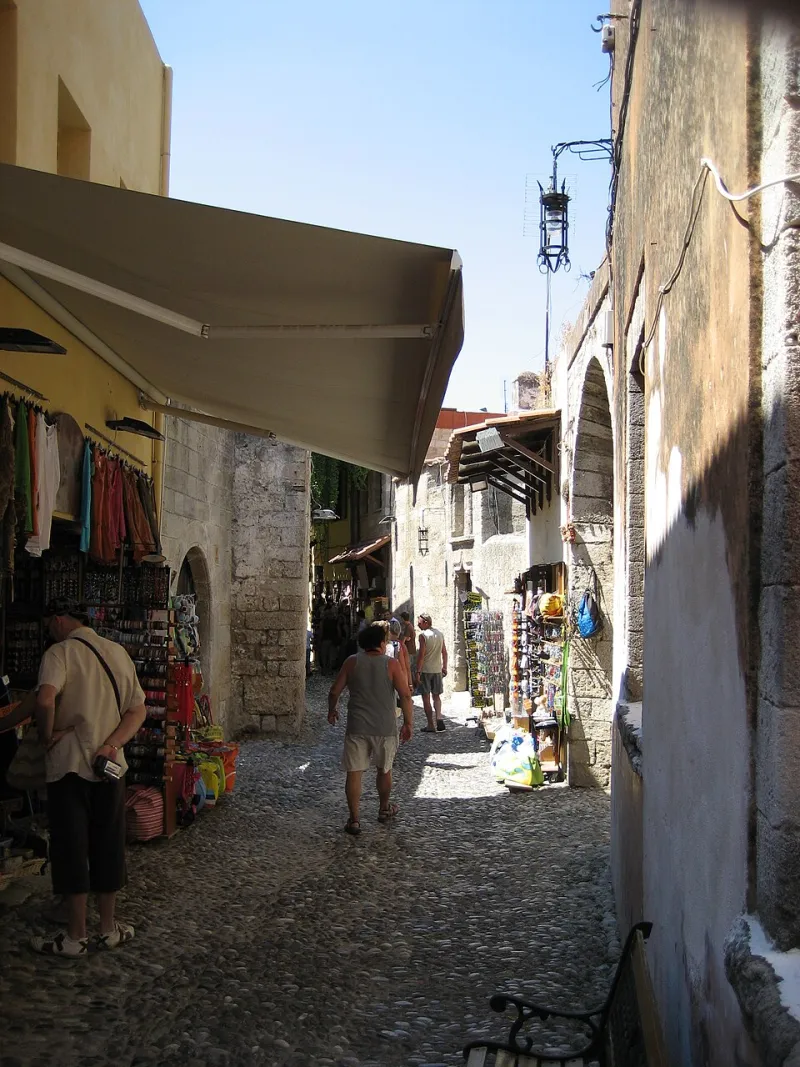
Half a Glass, Whole Evening: What Liguria Knows About Pouring Small
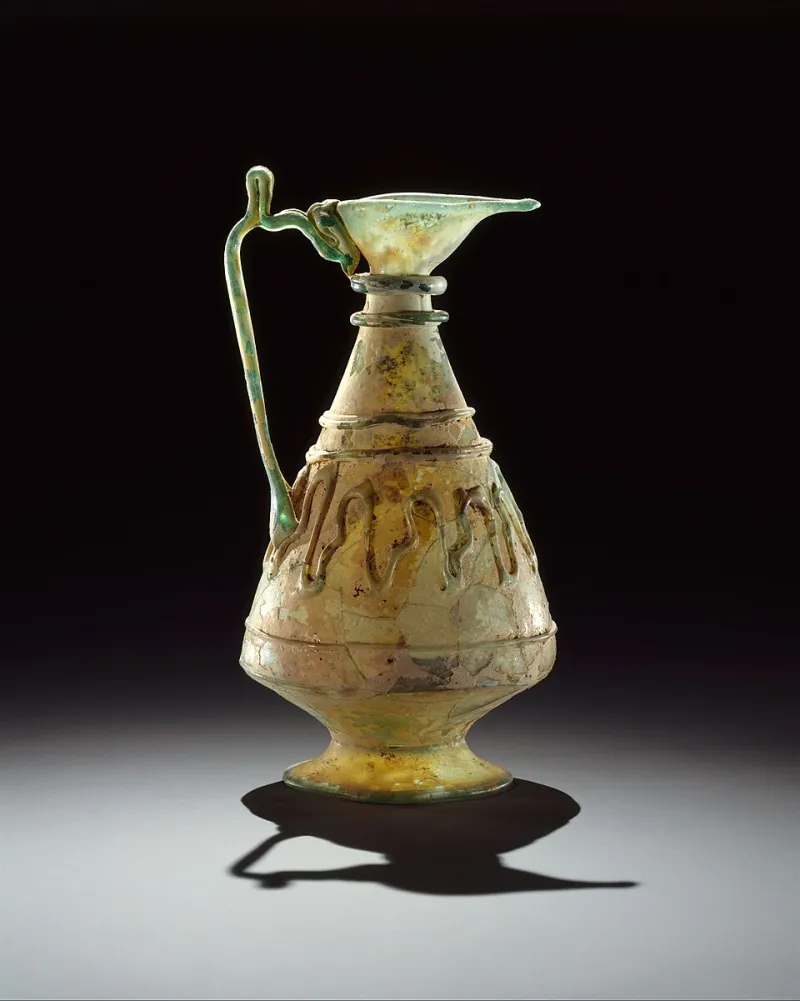
Photo: Unknown, CC0, via Wikimedia Commons
The first time I ordered wine at a trattoria in the bay, I assumed the waiter had made a mistake. The carafe that arrived held maybe two glasses' worth of the house red — a rough, cheerful little pour that tasted of the hills behind the harbor. I flagged him down, ready to negotiate for the full liter.
"No, no," he said, not unkindly. "When you finish, I bring more."
He brought more three times that night. And somewhere around the second refill, it clicked: I'd been drinking wrong my whole life.
The Tyranny of the Big Pour
Americans, bless us, do everything supersized, and drinking is no exception. Wine glasses in the US have ballooned to the size of goldfish bowls — a "glass" at home is often a generous triple pour. We buy magnums for dinner parties, we do the bottomless brunch mimosa, we measure a good night by how much went down.
Liguria looks at all that and shrugs. Here, drinks aren't the event. They're the punctuation — the comma between conversations, the period at the end of a meal. A tiny glass of Sciacchetrà, the sweet, almost mythical dessert wine from the Cinque Terre, arrives in a vessel so small it looks like it escaped from a dollhouse. That's not stinginess. That's choreography.
Punctuation, Not Plot
Think about how the evening actually unfolds in the bay. An aperitivo at six — a small bitter drink, a few olives, the point being the view and the company, not the alcohol. Dinner with a half-carafe of wine shared between two people, refilled as needed, which is to say slowly. An espresso after, roughly four sips of it, taken standing at the counter like a full stop.
Each drink marks a moment rather than filling a void. The little glass says this part is over, and this part is beginning — without ever announcing that the night's main event is the drinking itself. Compare that to the American model, where the drinks often are the evening, and everything else is set dressing.
There's a practical magic in this. When your glass is small and refills come only when you ask, you drink at the speed of the conversation. Nobody's keeping score. Nobody's watching the bottom of the bottle like it's a countdown clock.
The Economics of Slowness
Here's the part that surprises American visitors: drinking less isn't a sacrifice. The house wine in a Ligurian trattoria often costs a few euros a half-liter — a fraction of what a single glass goes for back in Brooklyn or Portland. You could drink more for the same money. You choose not to, because nobody's drinking to get anywhere.
The same logic runs through everything. The single espresso instead of the sixteen-ounce to-go cup. The small glass of limoncello offered after dinner, sipped while the plates are cleared. Even the water comes in modest bottles. The coast seems to have collectively agreed that if a thing is good, a little of it is enough — and enough of it, over a long evening, is abundance.
Trying It at Home
You don't need a harbor view to steal this habit, though it helps. But here's the experiment I'd suggest: next dinner with friends, put a half-carafe on the table instead of opening two bottles. Let refills happen when they happen. Notice how the evening stretches. Notice that nobody's checking their phone at 9:30 looking for the exit ramp.
Or take the smaller move: after your next dinner at home, make an espresso — real, small, in an actual cup you have to wash — and drink it standing at the counter. Four sips. That's the whole ritual. It sounds absurd until you do it, and then it sounds like something you'd been missing.
What the Little Glass Is Really Saying
I've come to think the small pour is a philosophy disguised as a serving size. It says the evening doesn't need to be amplified to be enjoyed. It says presence beats consumption. It says that the best nights are the ones that end later than planned because nobody had a reason to leave — not because the drinks kept coming, but because they never ran out.
Back at that trattoria, on the third refill, the waiter cleared his throat and delivered what I now consider the definitive statement on the subject: "The wine is small so the night can be big."
I'll drink — a little — to that.